

What does USCIS mean by a "bona fide" marriage?
A bona fide marriage is a legally valid marriage that two people entered in good faith, intending to build a life together, rather than primarily to get around U.S. immigration law.
That definition contains two separate questions:
| Question | What answers it |
|---|---|
| Is the marriage legally valid? | Your marriage certificate, plus proof that any prior marriages legally ended |
| Was the marriage entered in good faith? | Evidence of your relationship, shared life, and intentions, which is what this guide covers |
A couple can have a perfectly valid marriage certificate and still need to show the second part. The certificate proves a ceremony happened. It doesn't show what the couple intended when they married.
Why it matters: USCIS focuses on your intentions at the time you married. A marriage doesn't have to look a certain way to be genuine. Couples differ in how they handle money, where they live, and what their cultures expect. The question is whether the evidence, taken together, supports a good-faith marriage.
What changed in 2025
USCIS updated its Policy Manual guidance on spousal petitions in August 2025. In practical terms, couples should know three things:
- 01
Bona fides are reviewed up front
USCIS guidance now states that petitioners must show the marriage is bona fide before the Form I-130 petition is approved. Strong evidence at filing matters more than ever.
- 02
Interviews are more likely in some cases
Law firms summarizing the guidance report that interviews are generally expected where there are material inconsistencies, the petition lacks reliable bona fide evidence, either spouse has a prior denied or revoked spousal petition, or a permanent-resident petitioner got their own green card through marriage less than five years earlier.
- 03
A petition alone gives no status
USCIS has stated that a family-based petition does not grant immigration status or protect against removal. If the spouse in the U.S. has a status issue, legal advice before filing is especially important.
None of this means genuine couples should be alarmed. It means preparation matters, which is the focus of the rest of this guide.
What evidence can you use to prove a genuine marriage?
The Form I-130 instructions list several kinds of evidence that may help show a bona fide marriage: joint ownership of property, a lease showing you share a home, documents showing combined finances, birth certificates of children born to both of you, affidavits from people with personal knowledge of your relationship, and any other relevant documents showing an ongoing marriage.
That last category is broad on purpose. Here's how the main types of evidence compare:
| Evidence type | Examples | Especially useful when |
|---|---|---|
| Shared finances | Joint bank or credit card statements, joint tax returns, shared bills, beneficiary designations | You've combined some or all of your finances |
| Shared home | Joint lease or mortgage, utility bills, mail to both of you at one address | You live together |
| Children | Birth certificates listing both spouses | You have children together |
| Relationship history | Photos across time, engagement and wedding records | Every couple |
| Time together | Boarding passes, passport stamps, itineraries, hotel bookings | You've lived apart or visited each other |
| Ongoing communication | Selected messages, call and video logs, emails | You live in different countries |
| Third-party affidavits | Sworn statements from family and friends | Documents are limited, or others witnessed key moments |
| Insurance and benefits | Health or life insurance naming your spouse, employer emergency contacts | Either spouse has employer benefits |
You don't need something in every row. The strongest petitions usually include evidence from several different parts of your life that tell one consistent story.
Shared finances
Financial records can show that you share responsibilities. Examples include joint account statements, joint credit cards, shared loans, jointly filed tax returns where applicable, and records showing that one spouse pays shared household costs.
But many genuine couples keep separate finances for ordinary reasons, including work arrangements, cultural norms, banking in different countries, or personal preference. If that's you, document what you actually do. For example, regular transfers from one spouse's account toward rent or family expenses can show shared responsibility without a joint account.
A shared home
A joint lease, mortgage, or utility bills at the same address show part of your everyday life together. If you don't live together yet, that isn't automatically a problem. It just means the explanation and the other evidence carry more weight (see the scenarios below).
Photos that tell a story
Photos are most useful when they show your relationship over time: early dates, the engagement, the wedding, holidays, visits, and time with each other's families. Select meaningful photos rather than submitting hundreds, and add a short caption to each, noting the date, place, and who is pictured.
A few dozen well-captioned photos from different periods usually say more than 200 from one wedding day. USCIS has also advised against submitting intimate or graphic photos.
Travel records and visits
For couples who have spent time apart, travel documents show that you kept making time for each other: boarding passes, passport stamps, itineraries, and hotel bookings. They work best alongside photos from the same trips, so the reviewing officer can connect the dates.
Communication history
Selected messages, call logs, and video-call histories from different periods can show an ongoing relationship. You don't need to submit every conversation. Choose representative samples, such as plans for visits, family decisions, and important events, and label the dates and platform. Never alter or create messages.
Third-party affidavits
An affidavit is a sworn written statement from someone who knows you as a couple, such as a parent, sibling, close friend, or wedding guest. A useful affidavit:
- Identifies the person, including their full name, address, and date and place of birth
- Explains how they know the couple
- Describes specific things they personally saw, such as attending the wedding or spending holidays with you
- Is truthful and based on firsthand knowledge
Five generic letters saying "they're a happy couple" add less than two detailed, specific statements. Affidavits work best as support for documents, not a replacement for them.
Insurance, benefits, and children
Naming your spouse on health insurance, as a life-insurance or retirement beneficiary, or as an emergency contact at work shows that you treat each other as family in everyday life. If you have children together, their birth certificates are strong evidence. However, children are not required. Couples without children can establish a genuine marriage in other ways.
Practical filing tips
- Translations: Any document in a language other than English needs a full English translation, with the translator's certification that they are competent to translate and that the translation is accurate.
- Copies, not originals: Submit copies unless USCIS specifically requests originals. Bring originals to any interview.
- Consistency: Check that dates, addresses, and names match across your forms and documents before filing.
When your marriage doesn't fit the "typical" picture
Many genuine marriages don't come with a joint mortgage and three years of shared tax returns. Here's how to approach the most common situations.
Can you get a marriage green card without a joint bank account?
Yes, potentially. Combined finances are one type of evidence USCIS lists. They are not a requirement. Separate accounts don't, by themselves, show that a marriage isn't genuine. Couples without a joint account can still show a shared life through photos, records of visits and travel, regular communication, and affidavits from people who know them as a couple.
One caution: don't open a joint account just to create evidence. An account with no real activity can raise more questions than it answers. If you share expenses, document that honestly. If you don't, rely on other evidence and briefly explain how you handle money.
How do you prove a long-distance marriage is genuine?
Living in different countries doesn't mean a marriage isn't genuine. It does mean your evidence should show how the relationship began, continued, and is moving forward despite the distance. Organize it as a timeline:
- How you metEarly photos, first visits, and the start of your communication
- Your marriageCertificate, engagement and wedding photos, and family participation
- Staying connectedRepresentative messages and call logs from different months
- Time togetherBoarding passes, passport stamps, and photos from each visit
- Plans to live togetherRelocation discussions, job searches, or housing plans, where they genuinely exist
The goal isn't to make a long-distance marriage look like a couple who has always lived together. It's to show the reality of your relationship in the circumstances you're in.
What if you've never lived together?
Some couples marry while living in different countries and plan to set up a home once the immigration process allows it. If that's your situation, the lack of a joint lease doesn't make your case impossible.
Focus on your marriage certificate, relationship photos, visit records, communication history, and affidavits. Include a short, truthful explanation of why you haven't lived together yet and what you plan to do. Describe future plans as plans. Don't present them as things that have already happened.
What if you married recently?
A short marriage isn't a red flag in itself. Your evidence can reach back before the wedding, covering how you met, your courtship, and your engagement, and then show how the relationship has continued since. Keep gathering evidence as your life together develops. If your marriage is less than two years old when you become a permanent resident, you'll typically receive a conditional green card and will need to show more joint evidence later when you apply to remove the conditions.
Situations that call for a lawyer's review first
Some circumstances involve legal questions beyond relationship evidence, for example:
- One spouse is in removal proceedings, where a higher standard of proof can apply to marriages entered during proceedings
- Either spouse was previously involved in a petition that USCIS questioned or denied
- There are past visa refusals, status issues, or inconsistencies in earlier applications
A genuine marriage and eligibility for a green card are related questions, but they aren't the same question. Strong relationship evidence doesn't resolve every other issue in a case.

How many documents do you need?
There's no required number of photos, statements, or messages, and no amount that guarantees approval. More isn't automatically better. A focused, well-organized package is easier for an officer to review than a stack of repetitive pages.
Aim for evidence that is:
- RelevantEach item shows something about your relationship
- AuthenticReal records, unaltered
- ConsistentDates, addresses, and timelines match your forms
- VariedDrawn from different parts of your life
- ExplainedLabeled, so no one has to guess what a document shows
How to organize your marriage evidence
The structure below is a practical suggestion, not a required USCIS format. Always follow the current form instructions.
- Legal marriageMarriage certificate and proof that any prior marriages ended, such as divorce decrees or death certificates
- Relationship historySelected, captioned photos plus engagement and wedding records
- Finances and homeJoint statements, lease or mortgage, utilities, insurance, and beneficiary records, if you have them
- Time togetherTravel records and photos from visits
- Ongoing communicationRepresentative messages and call logs, with dates labeled
- AffidavitsDetailed statements from people with firsthand knowledge
- Brief explanation, if neededA short, factual note on separate finances, living apart, or other circumstances that might otherwise raise questions
Common mistakes to avoid
Even genuine couples can create unnecessary questions through how they present their evidence.
| Mistake | Why it matters | Better approach |
|---|---|---|
| Submitting only a marriage certificate | It proves a legal marriage, not good faith | Add evidence of your relationship and shared life |
| Assuming you must have a joint account | Many genuine couples keep money separate | Document your real arrangements, and explain them briefly |
| Sending documents without context | An officer may not know what a photo or booking shows | Add dates, places, and one-line captions |
| Inconsistent dates or addresses | Mismatches can prompt follow-up questions or an interview | Cross-check your forms and documents before filing |
| Relying only on affidavits | Statements carry more weight with documents behind them | Use affidavits to support records, not to replace them |
| Creating evidence that isn't real | False evidence can have serious, lasting immigration consequences | Present your actual history, including anything that needs explaining |
| Overlooking past immigration issues | Relationship evidence doesn't resolve other eligibility questions | Have prior refusals, petitions, or status issues reviewed before filing |
If something in an earlier application was wrong or has changed, address it honestly. Don't hope it goes unnoticed. Explaining a fact is usually manageable. Discovering that a fact was hidden is far harder to fix.
What happens if USCIS isn't satisfied with your evidence?
If your evidence is incomplete or raises questions, USCIS has several options before making a decision:
Request for Evidence (RFE)
A written request for more documents or clarification, with a response deadline. Read it carefully, and answer exactly what it asks.
Notice of Intent to Deny (NOID)
A notice explaining why USCIS is considering a denial, with an opportunity to respond. Treat it as a serious notice that calls for a careful response.
Interview
USCIS may interview the petitioner and beneficiary to clarify facts, sometimes together and sometimes separately. Preparing for the marriage green card interview helps you answer clearly and consistently.
Receiving one of these doesn't mean your case will be denied, and not every couple without joint records will get one. If you do receive a notice, note the deadline and consider having an immigration lawyer review it before you respond.
When should you talk to a marriage immigration lawyer?
Some couples with straightforward circumstances prepare their petitions themselves. Personalized guidance tends to be most valuable when:
- You live in different countries and have limited shared documents
- You've never lived together, or you keep finances separate and aren't sure what to submit instead
- Your spouse has previously been refused a U.S. visa
- Either of you has a complicated immigration history or is currently out of status
- One spouse is in removal proceedings
- There are inconsistencies in earlier applications
- You've received an RFE, NOID, or interview notice
A lawyer's value isn't simply collecting more paperwork. It's understanding what your particular case requires, spotting issues before USCIS does, and presenting your real story clearly.
FAQs
Frequently asked questions about marriage green card evidence
Can I get a marriage green card without a joint bank account?
Potentially, yes. Combined finances are one type of evidence USCIS lists, not a requirement. Submit evidence that reflects how your marriage actually works, and briefly explain your financial arrangements. We can review your documents and help identify what may strengthen your petition.
What if my spouse and I live in different countries?
Living apart doesn't, by itself, mean a marriage isn't genuine. Travel records, photos from visits, communication history, wedding records, and affidavits can show how your relationship has continued. Include a short explanation of why you live apart.
Can photos prove my marriage is genuine?
Photos help, especially when they span different stages of your relationship and include captions. They are strongest alongside other evidence, such as travel, financial, or household records. On their own, they are usually not enough.
Do we need children to qualify?
No. Birth certificates of children born to both spouses are one type of evidence USCIS lists, but couples without children can show a genuine marriage in other ways.
Can I use WhatsApp messages as evidence?
Yes, selected WhatsApp messages and call logs can help show ongoing communication, particularly for long-distance couples. Choose samples from different periods, label the dates, and never alter or create messages.
We married recently. Is that a problem?
Not by itself. Your evidence can cover your relationship before the wedding as well as after it. Keep collecting records as your life together develops, because you may need them again later in the process.
Can USCIS deny our petition because we don't live together?
Not automatically. Many couples live apart for work, study, family, or immigration reasons. What matters is a clear explanation supported by evidence of your ongoing relationship.
Do affidavits from family and friends help?
They can, when they're detailed and based on firsthand knowledge. A good affidavit identifies the writer, explains how they know you as a couple, and describes specific things they personally witnessed.
Is there a minimum amount of evidence?
No number of documents guarantees approval. Focus on credible, consistent evidence from several areas of your life rather than volume.
What should I do if USCIS asks for more evidence?
Read the Request for Evidence carefully, note the deadline, and respond to exactly what it asks, with organized supporting documents. If it raises questions about your marriage itself, consider legal guidance before responding.
Your marriage is personal. Your evidence should reflect its reality.
No two marriages look the same on paper. Some couples share a home, accounts, and a mortgage. Others keep separate finances, live in different countries, or are still waiting to start their household together. USCIS doesn't expect every couple to look alike. It expects honest, consistent evidence of a real relationship.
If you're unsure what your evidence shows, or your circumstances feel different from the "typical" couple, getting your questions answered before you file is a sensible next step.
Talk to a family immigration lawyer
Understand your options. Know your next step.
At YFIL, we help families understand their immigration options and prepare carefully. We'll review your situation, explain what your evidence may show, and help you decide what to include and how to present it.
Schedule a Free ConsultationYou don't need to have every document ready before reaching out. Start by telling us about your situation.
Keep reading
Related family immigration guides
About the author
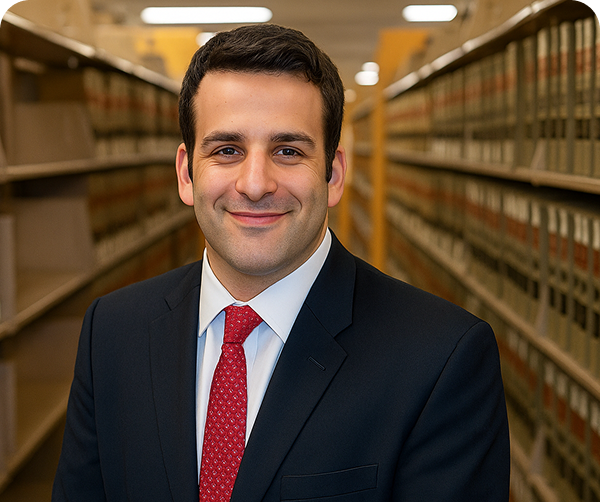
Justin Kadich, Lead Attorney
Justin Kadich leads Your Family Immigration Lawyer, a practice focused entirely on family-based immigration, including marriage green cards, fiancé visas, adjustment of status, and naturalization. He is a member of the American Immigration Lawyers Association (AILA).
Legal disclaimer
This article provides general information about U.S. marriage-based immigration. It is not legal advice. Immigration laws, policies, and procedures change, and the right approach depends on the facts of each case. Reading this article or contacting YFIL does not create an attorney-client relationship. Please consult a qualified immigration lawyer about your individual circumstances.
